Being invited to a Korean family’s home can be a lovely opportunity to get to know local culture and build friendships. But if you’re visiting with a young child, you may have a few questions.
Should you bring a gift? Do you need to take off your shoes? Is it okay for your child to explore the house? And what should you do if the family orders food?
Korean home culture is not as complicated as it might seem. Many customs depend on how close the families are and how often they meet. Based on my own experience, here are some practical things foreign parents should know before visiting a Korean family with children.
1. Take Off Your Shoes at the Entrance
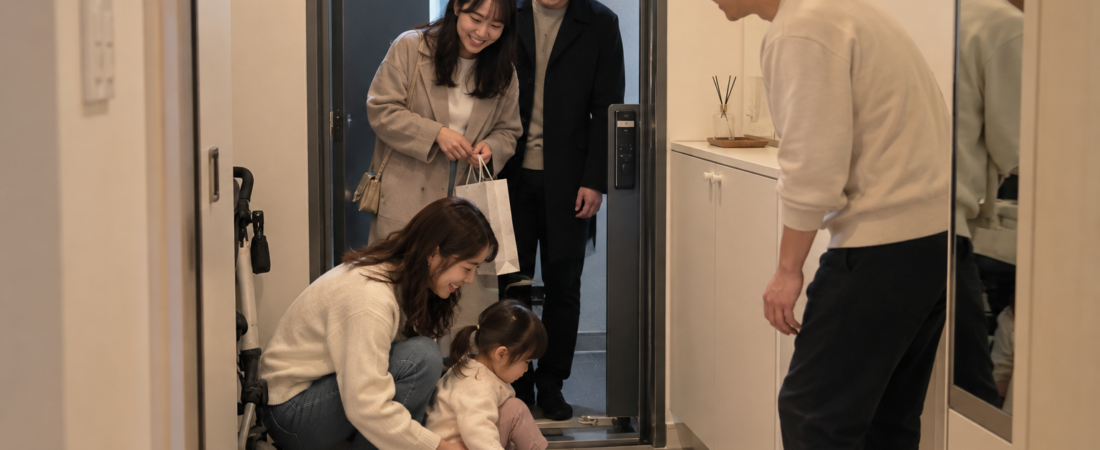
One of the first things you’ll notice when entering a Korean home is that everyone takes off their shoes.
Most Korean homes have a designated entrance area where shoes are removed and stored in a shoe cabinet. This is an important part of keeping the living space clean, especially because many Korean families spend time sitting or playing on the floor.
You may see indoor slippers inside the home, but don’t assume that a pair will always be available for guests. Some families don’t wear indoor slippers at all, while others may only have slippers for household members.
My tip: Wearing clean socks is a good idea when visiting a Korean home. If you’re bringing a toddler, remember that they will probably be walking around in socks or barefoot.
2. Should You Bring a Gift?
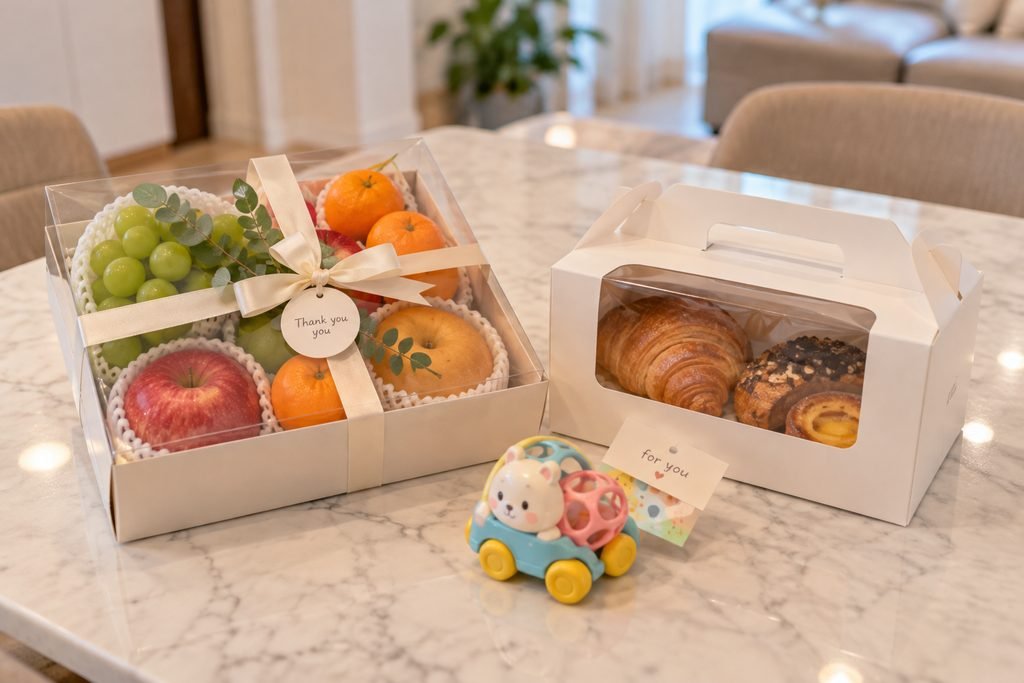
Bringing a small gift when visiting someone’s home is a thoughtful gesture in Korea. However, it doesn’t mean you need to bring something every single time.
It really depends on how often you meet and how close you are.
For example, if your child regularly plays with the host family’s child and you visit each other’s homes frequently, there’s no need to bring a gift every time. However, if it has been several months since your last visit, bringing a small treat can be a nice way to show appreciation.
A gift doesn’t have to be expensive. In fact, something too expensive may make the recipient feel uncomfortable or obligated to return the favor.
Here are a few simple ideas:
- A small box of fruit
- Bread or pastries from a local bakery
- Cookies or other shareable snacks
- A small picture book or toy for the child
If you’re bringing food, it’s always a good idea to consider the children’s ages and any food allergies.
My tip: Think of the gift as a small gesture of appreciation, not a formal requirement. A reasonably priced gift that everyone can enjoy is usually a safe choice.
3. Mealtime: Tables, Floor Seating, and Shared Side Dishes
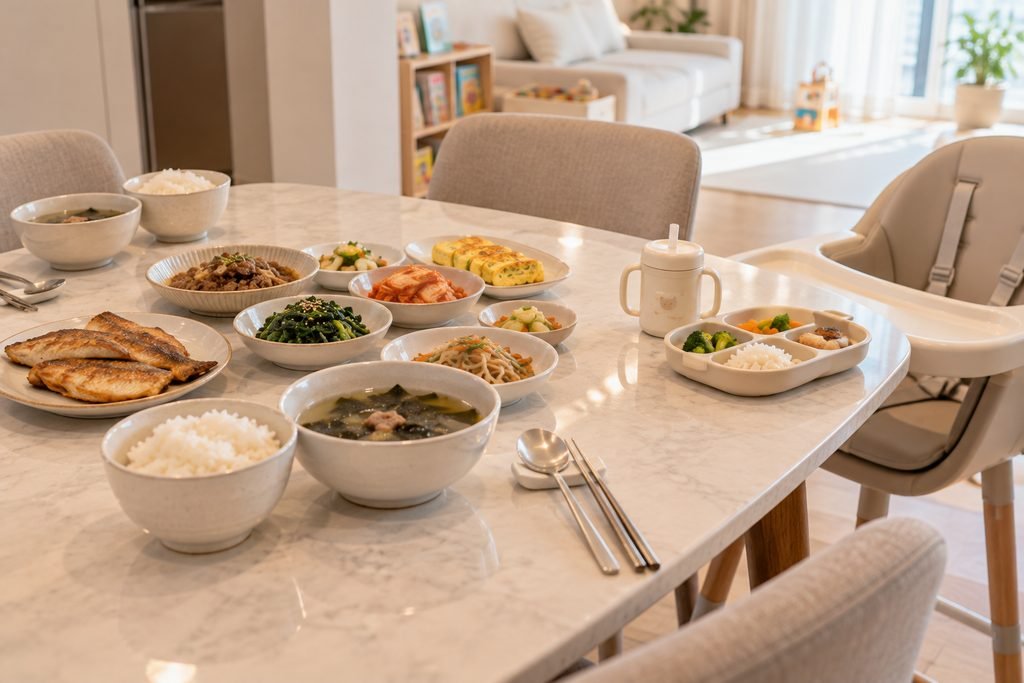
Korean homes have different dining arrangements. Some families eat at a regular dining table with chairs, while others use a low table and sit on the floor.
If you’re visiting with a toddler, you may want to ask whether the family has a high chair or child-sized utensils available. If not, bringing your own bib, spoon, or wipes can make mealtime easier.
Another thing you may notice is that Korean meals often include several shared side dishes, called banchan. These are placed in the middle of the table for everyone to share.
If you’re eating together, it’s polite to use serving utensils when available rather than using your own spoon or chopsticks to take food directly from shared dishes.
You may also have heard that younger people traditionally wait for older adults to start eating first. This custom still exists in some situations, especially during formal family meals.
However, casual gatherings between parents of similar ages are usually much more relaxed. And when you’re dining with very young children, it’s perfectly natural to feed your child first rather than waiting for all the adults to begin eating.
One important thing: If your child has food allergies or dietary restrictions, let the host know in advance. Korean meals can contain ingredients such as seafood, eggs, dairy, and other common allergens.
My tip: Don’t worry too much about following every dining custom perfectly. A little consideration and communication will go a long way.
4. Be Mindful of Noise in Apartment Buildings
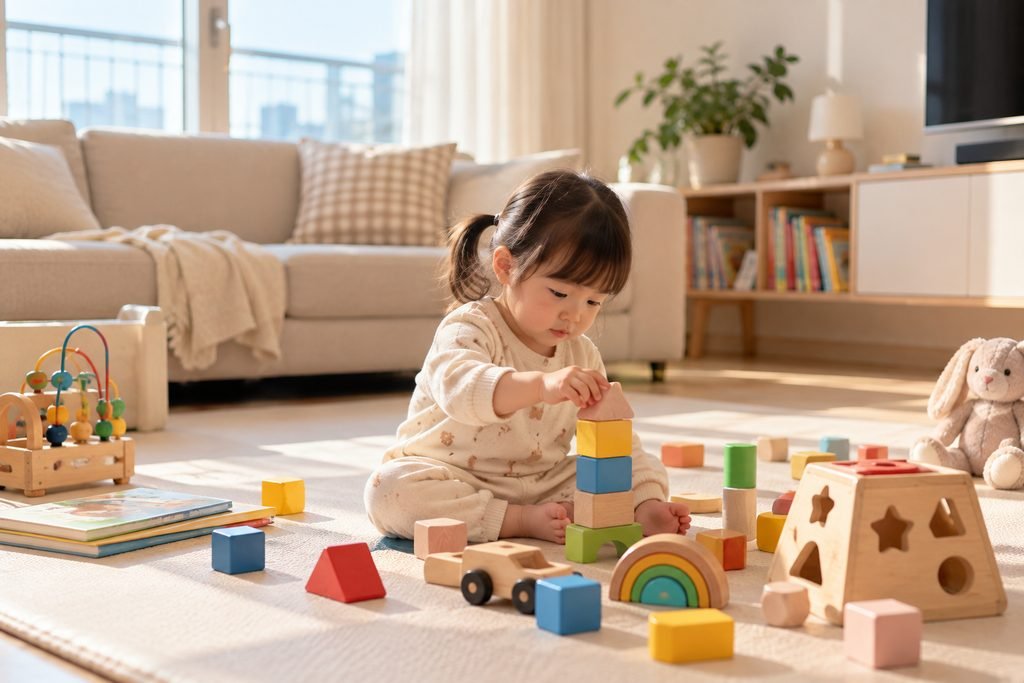
This is something that may be especially unfamiliar to families visiting Korea.
Many Korean families live in apartment buildings, where noise between floors can be a sensitive issue. Running, jumping, or dropping heavy toys may disturb the neighbors downstairs.
Parents often remind their children to play quietly by saying something like, “The neighbors downstairs can hear you.”
This doesn’t mean children are expected to sit still or stay silent all day. It simply means that parents try to help them understand that other people live nearby.
The same consideration applies when visiting another family’s home. Their apartment may also have neighbors living directly below them.
If your toddler gets excited and starts running around, there’s no need to panic. Just gently guide them toward quieter activities, such as playing with blocks, reading books, or drawing.
My tip: You don’t need to keep your child perfectly quiet. Just try to avoid activities that involve repeated running, jumping, or throwing toys.
5. Who Pays for the Food?
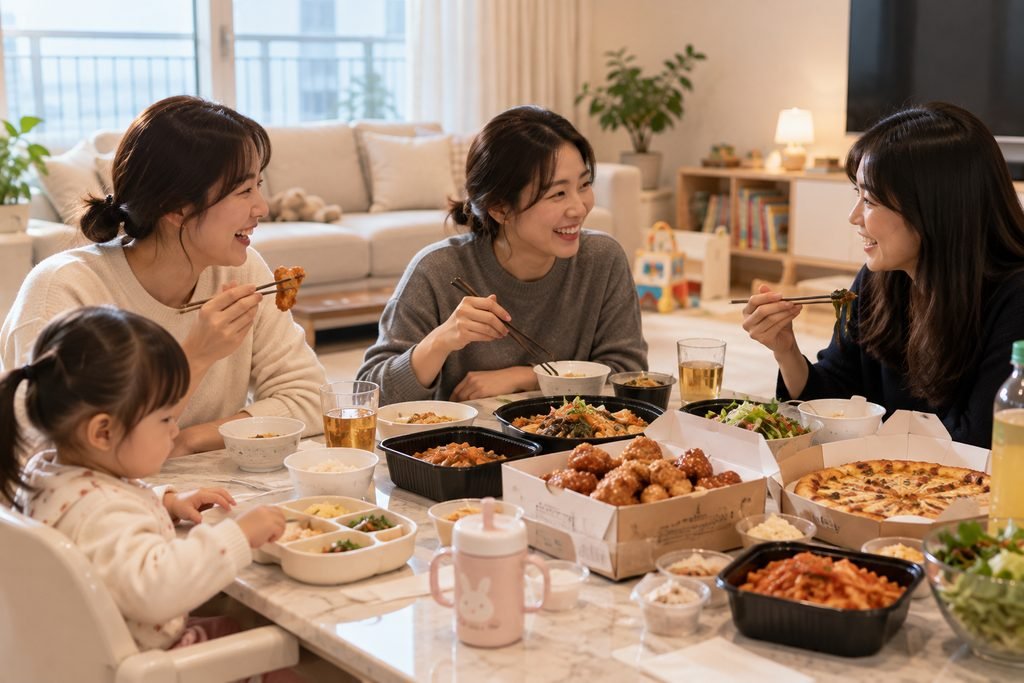
This is one of those situations where the answer depends on the relationship between the families.
When someone invites you over, the host may prepare food themselves or order delivery. If they cook a meal, guests often bring a small dessert or something to share as a gesture of appreciation.
If the host orders delivery food, however, it’s considerate to offer to share the cost.
For example, you could simply say, “How much should I send you for the food?”
The host may decline and insist on treating you, but offering to pay is a polite gesture. Don’t automatically assume that the gift you brought replaces your share of the meal.
Of course, this isn’t a strict rule. Close friends may take turns paying, or one family might treat the other without expecting anything in return.
In fact, when families with young children become close friends, it’s usually better not to calculate every small difference. If you paid a little more this time, the other family might cover the next meal.
If the host prepares everything themselves, calculating the exact cost can be difficult. In that case, bringing dessert beforehand or arranging to have a dessert delivered to their home can be a lovely way to say thank you.
My tip: When in doubt, offer to contribute. The host’s response and the nature of your relationship will usually make the next step clear.
6. Can Your Child Explore the House?
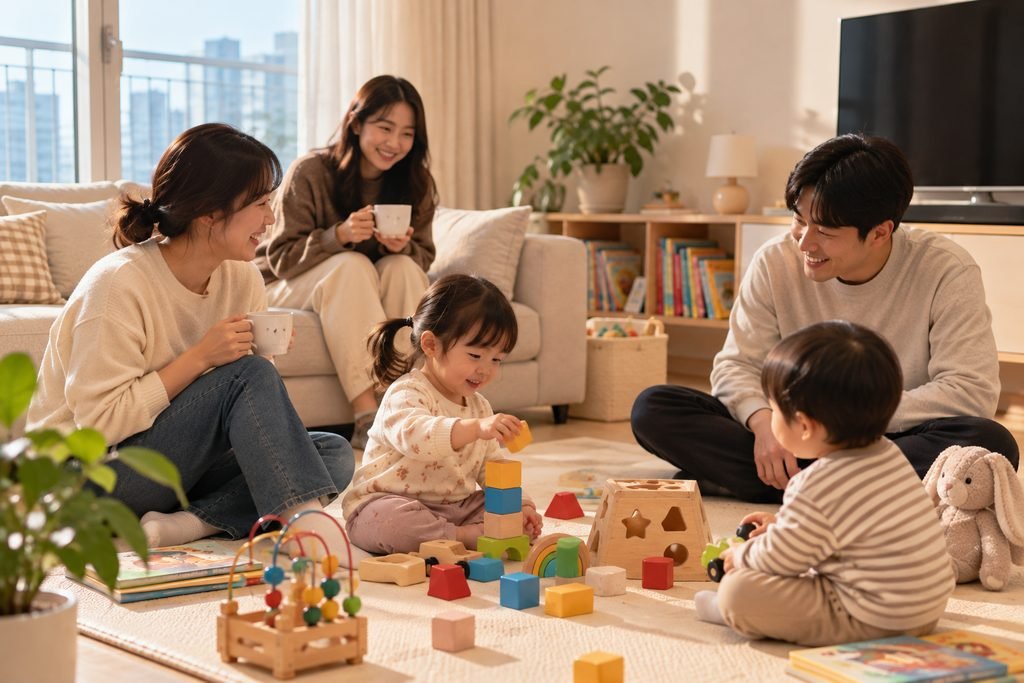
Toddlers are naturally curious. When they enter a new home, they may want to look around, open doors, and touch everything they see.
In general, it’s fine for children to explore the common areas, such as the living room, as long as they are supervised.
However, it’s a good idea to teach your child to ask before touching other people’s belongings. This is especially important around fragile decorations, electronic devices, and personal items.
What about bedrooms?
This depends greatly on how close the families are. Close friends may feel comfortable showing each other their bedrooms, while parents who only know each other through daycare or school may prefer to keep private rooms closed.
Some hosts may happily show you around their entire home. Others may simply invite you to stay in the living room.
The best approach is to follow the host’s lead rather than assuming that every room is open to guests.
And if your toddler accidentally wanders into an open bedroom, there’s no need to make a big deal out of it. Just calmly guide them back to the shared area.
My tip: Let your child enjoy the new environment, but remember that every home has its own boundaries.
7. Korean Hospitality: Don’t Be Surprised by Extra Food!
One thing you may notice when visiting a Korean family is how generously hosts offer food and drinks.
Even after you’ve finished eating, someone may bring out fruit, snacks, coffee, or another drink. They may also encourage you to have a little more.
This is often a way of making guests feel welcome. In Korean culture, sharing food can be an important part of building relationships and showing care.
You don’t have to accept everything, of course. If you’re full, it’s perfectly fine to politely say, “Thank you, but I’m full.”
A warm thank-you is always appreciated.
A Quick Checklist Before Visiting a Korean Family
Here are a few simple things to keep in mind before heading out with your child:
- Shoes: Wear clean socks. Shoes are usually removed at the entrance.
- Gift: Consider bringing a small snack, fruit, or dessert, especially if you haven’t visited in a while.
- Mealtime: Ask about a high chair if your child needs one. Bring a bib and wipes just in case.
- Food allergies: Let the host know about any allergies or dietary restrictions in advance.
- Noise: Encourage your child to avoid running or jumping indoors.
- Payment: If the host orders delivery food, offer to share the cost.
- Personal space: Let your child explore shared areas, but respect private rooms and belongings.
Final Thoughts
Visiting a Korean family with children doesn’t require you to memorize a long list of cultural rules.
Most importantly, remember that customs vary from family to family. A gathering between close friends may feel completely different from a first visit to the home of someone you’ve only recently met.
In my experience, small gestures make the biggest difference: taking off your shoes, bringing a modest gift when appropriate, being considerate of neighbors, and offering to contribute to a shared meal.
And don’t worry if you don’t get everything right. Most parents understand that young children can be unpredictable. A little thoughtfulness, flexibility, and friendly communication are usually all you need to enjoy a warm visit.
Leave a Reply